Cute Font: A Sweet and Friendly Typeface for Every Project
Imagine walking into a bakery where the aroma of fresh cookies greets you, or opening a gift wrapped in tissue paper with a handwritten note. That feeling of warmth, approachability, and genuine friendliness is exactly what the Cute font brings to your designs. It’s a display typeface that doesn’t just sit on a page—it communicates a mood, tells a story, and connects with viewers on an emotional level. In a world saturated with stark, minimalist typography, Cute offers a refreshing dose of personality and charm, making it a versatile tool for anyone looking to infuse their work with a touch of sweetness and approachability.
Understanding the Visual Language of Cute
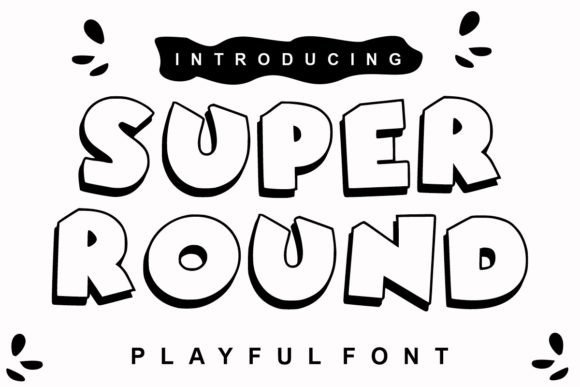
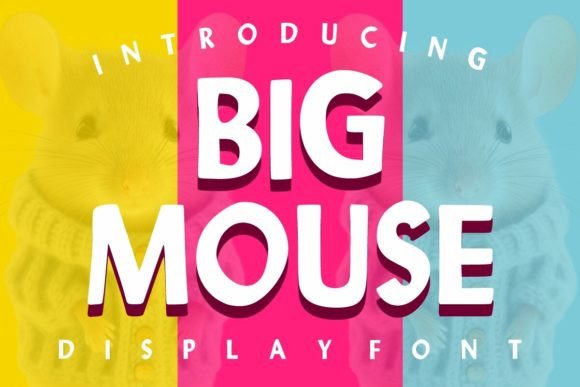
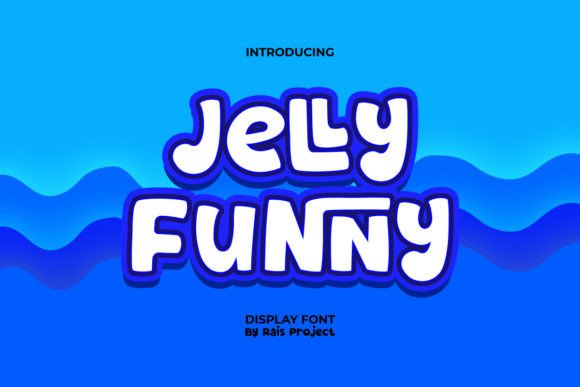
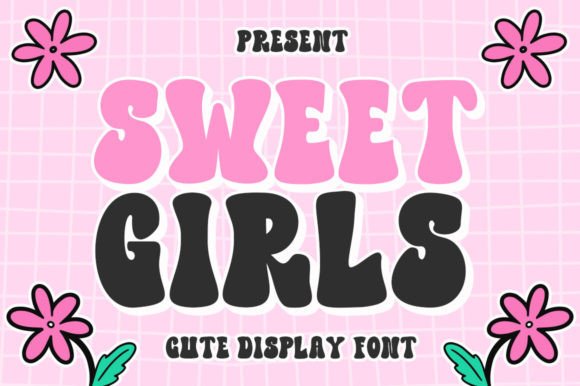
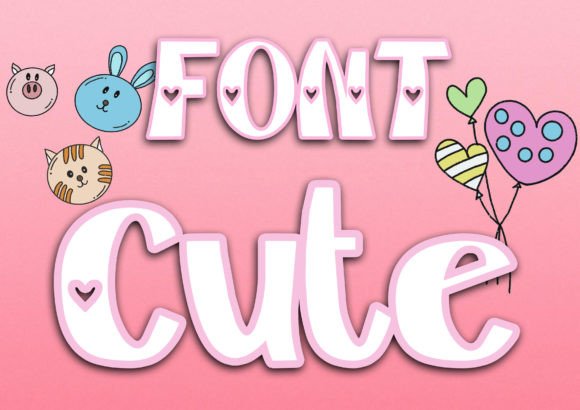
At its core, Cute is a sweet and friendly display font. Its letterforms are crafted with soft, rounded edges and a gentle, organic flow that feels natural and inviting. Unlike rigid geometric typefaces, Cute has a unique, slightly imperfect quality that mimics the feel of human handwriting or carefully drawn lettering. This natural style is its greatest strength. It avoids looking sterile or overly mechanical, which helps designs feel more personal and authentic. The font’s personality is inherently positive, making it incredibly fitting for a large pool of designs where you want to evoke joy, care, or creativity. The only limit is your imagination, as it adapts beautifully to both digital and print contexts, serving as a creative font that sparks connection.
Where Cute Truly Shines: Real-World Applications
The true test of any typeface is how it performs in practical scenarios. Cute excels in projects where tone and audience engagement are paramount. For branding and logo design, particularly for businesses in the food, beauty, children’s products, or artisanal goods sectors, it helps build a brand identity that feels welcoming and trustworthy. Think of a logo for a cupcake shop or a handmade soap company—Cute would make the brand instantly recognizable and relatable.
In the realm of packaging design, this typeface can transform a product on the shelf. It’s perfect for labels on jam jars, candle sleeves, or cosmetics, where it communicates quality and care. For social media graphics, Cute is a powerhouse. Its friendly demeanor stops the scroll for Instagram stories, Facebook posts, and Pinterest pins, especially for lifestyle, parenting, or DIY content creators. It boosts audience engagement because the text feels like a message from a friend rather than a corporate advertisement.
Beyond digital spaces, Cute is a star in print materials. It brings life to posters for community events, invitations for birthdays or baby showers, and merchandise like tote bags or t-shirts. For editorial design, it can be used for pull quotes, chapter headings, or magazine features targeting a youthful or creative audience. Even websites and blogs can benefit from its use in headlines or call-to-action buttons, adding a layer of visual interest that enhances the user experience. As a premium font, its versatility across these applications offers tremendous value for designers and entrepreneurs alike.
Strategic Benefits: More Than Just a Pretty Face
Choosing a font like Cute isn’t just an aesthetic decision; it’s a strategic one that can improve key aspects of your project’s effectiveness. First, it enhances visual consistency. When you use Cute across your logo, website, and packaging, you create a cohesive visual language that strengthens brand recognition. Customers begin to associate the friendly typeface with your brand’s values and personality.
Second, despite being a display font, Cute can contribute to readability when used appropriately. Its clear, open letterforms make it legible at larger sizes, ideal for headlines and short blocks of text. For longer paragraphs, pairing it with a clean sans serif font or a simple serif font for body copy ensures readability while maintaining visual hierarchy. This thoughtful font pairing is a hallmark of professional modern typography.
Finally, it elevates professional presentation. A well-chosen typeface signals attention to detail and care for the audience’s experience. Whether you’re designing a digital product like an e-book or a set of marketing assets for a campaign, using a high-quality creative font like Cute helps your work stand out and appear polished.
Practical Tips for Using Cute Effectively
To get the most out of this typeface, consider a few practical guidelines. Start by reviewing all the font styles included with your purchase. Many premium fonts come with alternates, ligatures, or multiple weights (like light, regular, and bold) that give you more creative flexibility. Experiment with these to find the perfect variation for your project’s mood.
Always test font pairings in context. Create a mockup of your design—whether it’s a business card, a website header, or a social media post—and see how Cute interacts with other design assets. A good rule of thumb is to pair its expressive personality with something more neutral. For example, Cute for a headline paired with a geometric sans serif font for body text creates a balanced and modern look.
Pay close attention to readability considerations. While Cute is legible, avoid using it for very small text or dense paragraphs. It’s best suited for display purposes. Also, consider the background. A busy background can clash with its detailed forms, so ensure there is enough contrast and whitespace.
Finally, a crucial but often overlooked step: understand the commercial licensing terms. If you plan to use Cute for client work, merchandise, or products for sale, ensure your license covers that use. Most premium font licenses are straightforward, but it’s always best to check before incorporating a commercial font into a major project.
Unleashing Creativity with a Versatile Typeface
Cute is more than just a collection of letters; it’s a design asset that carries a specific emotional resonance. Its ability to convey friendliness and creativity makes it a valuable addition to any designer’s toolkit, whether you’re a seasoned professional or a hobbyist exploring new crafts. It bridges the gap between playful and professional, allowing you to create work that is both beautiful and effective.
The next time you’re starting a project—be it a new business logo, a blog redesign, or a line of handmade goods—consider the personality you want to communicate. If the goal is to connect with your audience through warmth, approachability, and a dash of sweetness, then exploring a typeface like this could be the perfect starting point. Let your designs speak with a friendly voice, and watch as that connection translates into deeper engagement and lasting recognition.