Jelly Funny: A Font That Brings Playful Charm to Any Project
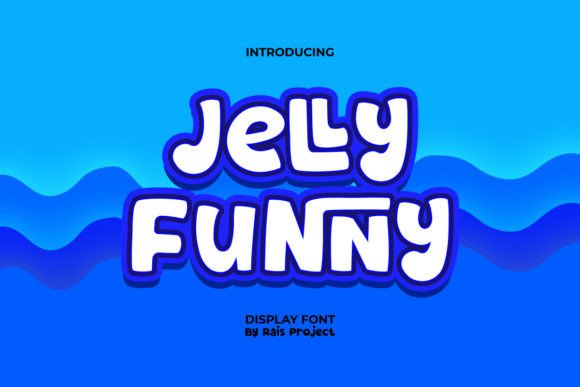
There's something undeniably delightful about a font that makes you smile the moment you see it. Jelly Funny is exactly that kind of typeface—a cute, fluffy display font that radiates warmth and personality. Its rounded edges and soft, bouncy letterforms give it an approachable, almost tactile quality, like letters made from marshmallows or squishy gelatin. This isn't a font for serious legal documents or corporate reports. It's a font for projects that want to feel friendly, fun, and full of character.
What makes Jelly Funny stand out in a crowded sea of display fonts is its versatility within the playful space. It manages to be whimsical without crossing into childish territory, making it suitable for a surprisingly wide range of applications. Whether you're designing a logo for a new bakery, creating social media graphics for a kids' brand, or putting together invitations for a casual birthday party, this typeface brings a consistent sense of joy and approachability. Its visual appeal lies in its simplicity and the careful balance between being eye-catching and remaining highly legible.
Where Playfulness Meets Practicality: Real-World Uses
Let's move beyond theory and talk about where a font like this actually shines. As a designer or business owner, you're constantly looking for assets that save time while elevating your work. Jelly Funny fits neatly into that category. Consider its application in branding and logo design. For a business that wants to project a friendly, accessible image—think a children's clothing line, a specialty dessert shop, a pet grooming service, or a creative workshop studio—this font can become the cornerstone of a memorable brand identity. It instantly communicates a lack of pretension and a focus on customer enjoyment.
The practical applications extend far beyond a logo. Packaging design is a prime example. Imagine a product label for artisanal jams, colorful candies, or handmade soaps. Jelly Funny on the packaging immediately catches the eye on a shelf, suggesting the product inside is made with care and is meant to be enjoyed. It works beautifully for custom stickers, hang tags, and box graphics. Similarly, in the digital realm, it's a powerhouse for social media graphics. Instagram stories, Facebook ads, and Pinterest pins using this font feel more engaging and shareable, especially for content aimed at families, hobbies, or lifestyle topics. The font's inherent cheerfulness can boost click-through rates and audience engagement simply because it's more inviting than a standard sans-serif.
Building a Cohesive and Recognizable Brand Voice
Visual consistency is a pillar of strong branding, and typography is a huge part of that. When you use Jelly Funny across multiple touchpoints—from your website headers and blog titles to your email newsletter graphics and printed flyers—you create a unified visual language. Customers begin to associate that specific, friendly look with your business. This builds recognition and trust over time. It tells a consistent story about what your brand values: perhaps creativity, approachability, and a touch of fun.
However, a key piece of practical advice is to use it strategically. A display font like this is rarely meant for body text. Its charm works best in headlines, short pull quotes, and call-to-action buttons. For longer paragraphs, you'll need a complementary typeface. Pairing Jelly Funny with a clean, simple sans-serif or a gentle serif font creates a beautiful hierarchy. The display font grabs attention for key messages, while the body font ensures readability for detailed information. This combination maintains the playful spirit without sacrificing professionalism or clarity. Always test your font pairings in context to see how they interact visually and whether the overall feel matches your project's goals.
From Screen to Print: Ensuring Flawless Execution
One of the great advantages of a well-crafted premium font is its reliability across different mediums. Jelly Funny is designed to look equally good on a high-resolution screen and in high-quality print. This is crucial for maintaining brand integrity. The same playful logo should look crisp on a website favicon and on a large-format poster or business card. When evaluating a font, it's wise to check what file formats and styles are included. Does it come with regular and bold weights? Are there stylistic alternates or special characters that can add extra flair? Understanding the full scope of what you're getting helps you plan more creative designs and avoid limitations down the road.
For entrepreneurs and small business owners, another critical consideration is licensing. If you're using the font for commercial projects—for products you sell, client work, or marketing materials—you need to ensure you have the correct commercial license. Reputable font designers and marketplaces are clear about their licensing terms. It's a small but vital step to protect your business and respect the creator's work. This due diligence is part of professional design practice, whether you're working with a script font, a handwritten font, or any other typeface.
Unlocking Creative Potential Across Industries
The true test of a creative font is how many different types of projects it can enhance. Jelly Funny's personality makes it a fantastic tool for a wide array of creative endeavors. Editorial designers can use it for chapter titles in a light-hearted cookbook or a family-oriented magazine. Content creators and bloggers can use it to create standout thumbnails, title cards for videos, or headers for recipe posts. It's perfect for designing merchandise like t-shirts, tote bags, and mugs for brands that want a fun, approachable aesthetic.
For digital products, such as printable planners, activity sheets for kids, or online course materials, this font adds a layer of personality that makes the product feel more polished and valuable. Marketing professionals can leverage it for campaign assets, especially for seasonal promotions, contests, or community-focused initiatives where a friendly tone is key. Even hobbyists working on personal projects like scrapbooking, custom party invitations, or family newsletters will find it adds a special, professional touch that elevates their creation. Ultimately, Jelly Funny is more than just a cute typeface; it's a versatile design asset that, when used thoughtfully, can inject personality, strengthen brand identity, and make any project feel more engaging and memorable.