Happy Smile: A Font That Brings Joy to Every Design
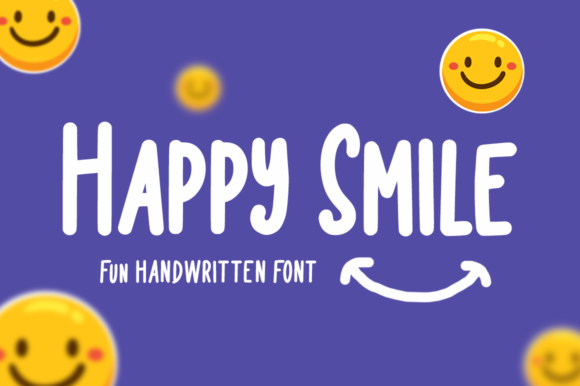
There’s a certain magic in a typeface that feels like a handwritten note from a friend—warm, personal, and effortlessly charming. Happy Smile is that kind of font. It’s a premium display font that blends elegant curves with a touch of whimsy, creating a typeface that feels both authentic and versatile. Whether you’re designing a wedding invitation or crafting a social media post, this font has a way of making your work feel more human and engaging.
The Art of Choosing a Font with Personality
Typography isn’t just about letters on a page; it’s about emotion and context. A font like Happy Smile, with its flowing lines and subtle flourishes, carries a distinct personality. It feels celebratory, warm, and approachable—qualities that make it ideal for projects where you want to connect on a personal level. Think about the last time you received a beautifully designed invitation or saw a social media graphic that made you pause. Chances are, the typography played a huge role in that reaction.
When selecting a font for your project, consider the story you want to tell. Happy Smile isn’t a minimalist sans serif font or a rigid serif typeface; it’s a creative font that leans into expressiveness. This makes it perfect for designs where you want to evoke emotion, whether it’s the joy of a wedding, the excitement of a product launch, or the warmth of a handwritten thank-you note.
Practical Applications: From Branding to Everyday Design
One of the strengths of a versatile display font like Happy Smile is its adaptability across different mediums. Here’s how you can use it to elevate various aspects of your creative work:
- Brand Identity and Logo Design: For small businesses, especially in lifestyle, beauty, or wedding industries, Happy Smile can become a cornerstone of your brand identity. Use it for your logo to convey approachability and elegance. Pair it with a clean sans serif font for body text to maintain readability while keeping your brand’s visual voice consistent.
- Print Materials and Packaging: Imagine this font on a boutique product label, a thank-you card tucked into an order, or the header of a menu. Its handwritten feel adds a tactile, personal touch that can make customers feel valued. For packaging design, it works beautifully for product names or special callouts, especially on items like candles, artisanal foods, or beauty products.
- Digital Presence: On websites and blogs, use Happy Smile for headlines or pull quotes to draw attention. It’s particularly effective for sites focused on travel, lifestyle, or personal blogging. For social media graphics, it can make announcements, quotes, or promotional posts stand out in a crowded feed. Just remember to test its readability at smaller sizes on mobile screens.
- Editorial and Marketing Assets: In editorial layouts—think magazine spreads or digital lookbooks—this font can add a stylish flair to titles and subheadings. For marketing materials like email headers, sale announcements, or event posters, it injects energy and personality, helping your message resonate more deeply with your audience.
Balancing Creativity with Professionalism
While a decorative font like Happy Smile is fantastic for catching the eye, it’s important to use it thoughtfully. Overusing any display font can overwhelm a design and reduce readability. The key is to use it strategically—as a highlight, not the workhorse. For body text, always pair it with a highly legible serif or sans serif typeface. This creates a visual hierarchy that guides the reader’s eye and keeps your design clean and professional.
Consider the context of your project. A wedding invitation has different needs than a website homepage. For invitations, Happy Smile can take center stage, setting a romantic and joyful tone. On a website, it might be best reserved for key headings or a logo to maintain fast load times and easy reading. Always test your designs on different devices and in print if possible. What looks stunning on your computer screen might lose its charm if printed on textured paper or viewed on a small smartphone.
Making the Most of Your Design Assets
If you’re investing in a premium font, you want to ensure it delivers value. Look at what’s included in the font package. Does it offer multiple styles, like regular, bold, or italic? Are there alternate characters or ligatures that can add variety to your designs? Understanding these features allows you to use the typeface to its full potential, creating unique and dynamic layouts.
Another practical consideration is licensing. For designers and entrepreneurs, ensuring you have the correct commercial license is crucial. This protects you legally and supports the creators who pour their talent into developing these design assets. Always review the license terms to understand where and how you can use the font, whether for client work, merchandise, or digital products.
Final Thoughts on Font Pairing and Project Goals
Choosing the right font is a blend of art and strategy. It’s about finding a typeface that aligns with your project’s goals and resonates with your audience. Happy Smile is a tool for adding warmth and personality, but it’s most effective when used with intention. Start by defining the mood you want to create. Is it celebratory, elegant, or playful? Then, explore font pairings that complement its style without competing for attention.
Take the time to experiment. Try combining Happy Smile with a geometric sans serif for a modern contrast, or with a classic serif for a more traditional feel. See how it looks in different colors and against various backgrounds. The goal is to create a cohesive visual experience that feels intentional and engaging. In the end, the best designs are those that communicate clearly and connect emotionally—and the right typography is a powerful partner in that process.