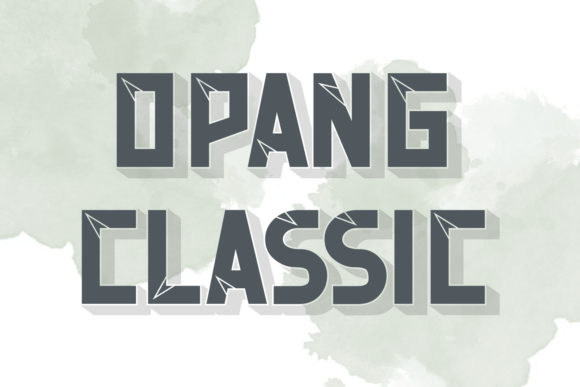
Opang Classic: The Display Font for Bold, Timeless Design
There's a particular kind of visual confidence that comes from a typeface that doesn't try too hard. It doesn't need decorative flourishes or trendy effects to make its point. It simply stands there—clean, assured, and unmistakably present. That's the feeling Opang Classic delivers, and it's the reason this bold display font has found its way into so many different creative projects, from startup logos to wedding invitations to editorial spreads.
If you've been searching for a typeface that bridges the gap between classic elegance and modern boldness, this might be the design asset you didn't know you needed.
What Makes Opang Classic Visually Distinct
Opang Classic is a serif display typeface, but it doesn't behave like the stuffy, overly formal serifs you might associate with legal documents or academic journals. Its letterforms carry a timeless appeal—think of the kind of typography you'd see on a well-crafted magazine cover from the 1960s or a heritage brand's storefront signage. The lines are clean, the proportions are balanced, and the overall impression is one of understated sophistication.
What sets it apart from other premium fonts in the display category is its versatility at larger sizes. Many typefaces look great in a headline but fall apart when you push them into a logo context or try to use them on merchandise. Opang Classic holds its structure. The serifs are defined without being heavy, the stroke contrast is noticeable but not dramatic, and the overall weight feels substantial enough to anchor a design without overwhelming it.
For anyone working in modern typography, this kind of balance matters. A font that's too decorative limits where you can use it. A font that's too plain disappears into the background. Opang Classic occupies that productive middle ground where personality meets practicality.
Where This Typeface Actually Works in Practice
Let's move past abstract descriptions and talk about real applications. Where does a font like this actually earn its place in a designer's toolkit?
Brand Identity and Logo Design
When you're building a brand from scratch or refreshing an existing one, the typeface you choose for your logo and primary headings does heavy lifting. It communicates tone before anyone reads a single word. Opang Classic works particularly well for brands that want to project authority and heritage without feeling outdated. Think boutique hotels, artisan food brands, independent publishers, or high-end craft businesses. The serif structure lends credibility, while the bold weight ensures the name actually sticks in someone's memory.
Packaging Design
Packaging is one of those areas where typography has to do three things at once: attract attention from a distance, communicate the product name clearly, and convey the right emotional tone. A display font like Opang Classic handles the first two effortlessly. Its bold presence catches the eye on a crowded shelf, and the clean letterforms keep the product name legible even at smaller sizes on packaging labels. Whether you're designing for a coffee brand, a skincare line, or a specialty food product, this typeface gives you a solid foundation to build around.
Social Media Graphics and Digital Content
Content creators and social media managers constantly need typography that reads well in fast-scrolling environments. Instagram stories, Pinterest pins, YouTube thumbnails, and Facebook ads all demand fonts that make an instant impression. Opang Classic's bold weight and clear letterforms translate well to screens, and its classic styling helps posts look polished rather than generic. If you're creating quote graphics, announcement posts, or promotional banners, this typeface gives your visuals a consistent, professional look that builds recognition over time.
Print Materials and Editorial Layouts
Magazines, lookbooks, brochures, and posters all benefit from a strong display typeface that can command a page. Opang Classic works beautifully for feature headlines, chapter titles, and pull quotes. In editorial design, where you're often mixing multiple typefaces, having a reliable display serif in your font pairing strategy simplifies the process. It plays well alongside clean sans serif fonts for body text, and it can also complement script fonts or handwritten fonts when you want a more layered, dynamic layout.
Invitations, Merchandise, and Specialty Projects
Wedding invitations, event posters, branded merchandise like tote bags or t-shirts, digital products such as planners or worksheets—these are all projects where typography choice directly affects perceived value. Opang Classic's sophisticated character elevates these items, making them feel more considered and intentional. A wedding invitation set in this typeface immediately signals elegance. A t-shirt design using it feels curated rather than thrown together.
Matching Typography to Your Project Goals
Choosing the right font isn't just about picking something that looks nice in isolation. It's about alignment. The typeface needs to match what your project is trying to communicate.
Before committing to any creative font, ask yourself a few practical questions:
- What's the primary emotion? If your project needs to feel authoritative, trustworthy, or refined, a serif display font like Opang Classic is a strong starting point. If you need something more casual or playful, you might pair it with a script font or handwritten font for contrast.
- Where will it appear most? A font destined primarily for screens needs to render cleanly at various resolutions. One meant for large-format printing needs strong presence at scale. Opang Classic handles both contexts well, but it's worth testing in your specific use case.
- Who's the audience? A typeface that resonates with a luxury consumer might not connect with a younger, trend-driven demographic. Know your audience before you choose your typography.
These aren't theoretical exercises. They're the kind of practical design decisions that separate a cohesive brand identity from a scattered collection of visuals.
Getting the Most from Font Pairings
No display font works in complete isolation. Even the strongest headline typeface needs a partner for body text, subheadings, or supporting copy. One of the practical strengths of Opang Classic is how well it pairs with other typefaces.
A few combinations worth testing:
- Opang Classic + a clean sans serif for body text. This is a classic editorial pairing that works across web design, print materials, and marketing assets. The serif display font handles attention-grabbing moments, while the sans serif keeps longer passages readable.
- Opang Classic + a script or handwritten font for invitations, social media graphics, or branding projects that need a personal touch. The contrast between structured and organic letterforms creates visual interest.
- Opang Classic + a modern sans serif with geometric qualities for tech brands, startups, or digital products that want to blend heritage credibility with contemporary energy.
The key is to test pairings in context. Don't just place two fonts side by side in a design tool and call it done. Mock up actual layouts—headers with body copy, logos with taglines, packaging panels with ingredient lists. See how the fonts interact at real sizes and in real compositions.
Practical Considerations Before You Start
A few things worth keeping in mind as you work with any commercial font:
Review the included styles. Many premium fonts come with multiple weights, alternates, or stylistic variations. Check what's included in your license so you can take full advantage of the typeface's range. Opang Classic's bold display style is its signature, but understanding its full character set helps you use it more effectively.
Think about licensing. If you're using a font for client work, merchandise, or digital products you plan to sell, make sure your license covers commercial use. This is one of those details that's easy to overlook until it becomes a problem. Reputable font foundries make licensing terms clear—take a moment to read them.
Test readability at every size. A display font might look stunning at 72 points in a poster mockup but struggle at 18 points on a website subheading. Always test your typography at the actual sizes it will appear. Adjust letter spacing, line height, or weight as needed to maintain clarity.
Don't overuse a single weight. If you're working with a bold display font, resist the urge to set everything in bold. Use it strategically for maximum impact—headlines, titles, logos, key callouts—and let supporting typography handle the rest.
Why Thoughtful Typography Still Matters
In a landscape saturated with templates, stock graphics, and AI-generated content, the details that signal craft and intention become more valuable, not less. Typography is one of those details. The typeface you choose for a project communicates something about how seriously you take your work and how much you respect your audience's attention.
Opang Classic doesn't try to be everything. It's not a body text workhorse or a whimsical decorative font. It's a bold display typeface with a timeless character, built for moments that matter—headlines that need to land, logos that need to endure, and designs that need to feel both confident and refined.
Whether you're a designer building a brand system, a small business owner creating your first set of marketing materials, or a content creator looking for typography that actually stands out in a crowded feed, having a reliable display font in your toolkit makes the creative process smoother and the results more consistent. That's the real value of a typeface like this—not just how it looks, but how it works across the messy, varied reality of real-world projects.