Rainbow Friendly: A Font That Brings Joy to Your Designs
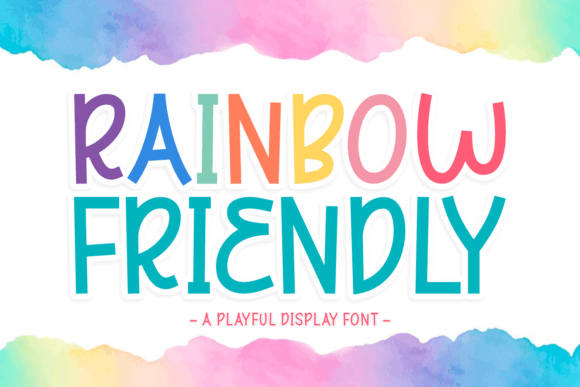
There's something undeniably magnetic about a font that can make you smile before you've even read the words. That's the immediate effect of Rainbow Friendly—a display typeface that radiates warmth, playfulness, and an infectious sense of fun. Whether you're designing a birthday invitation, crafting social media posts for a small business, or putting together merchandise for your creative brand, this font has a way of making everything feel a little more celebratory.
A Typeface with Personality Built In
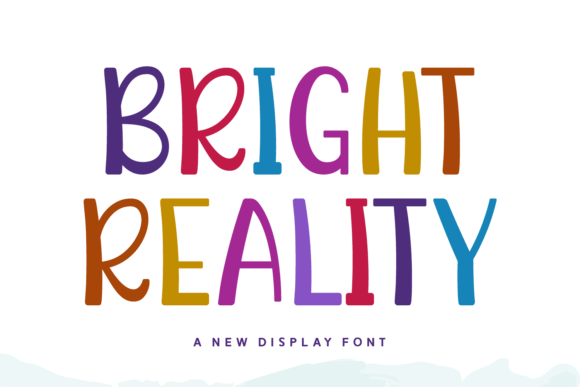
Rainbow Friendly isn't trying to be everything to everyone, and that's precisely what makes it work so well. Its clean, delicate lines borrow from the simplicity of stick fonts and note-style typography, but with enough character to stand out on its own. The letterforms feel approachable without being childish, cheerful without being overwhelming. It strikes that rare balance between casual and polished—like a handwritten note from a friend who also happens to have impeccable taste.
What sets this creative font apart from other display typefaces is its versatility within a specific emotional range. If your project needs to convey joy, approachability, or lighthearted energy, Rainbow Friendly delivers consistently. The strokes are even and deliberate, giving each letter a sense of intentionality. There's nothing accidental about the way this typeface looks, even though it manages to feel effortless.
Where This Font Truly Shines
Think about the last time a piece of packaging caught your eye at the store. Chances are, the typography played a huge role in that first impression. Rainbow Friendly works beautifully in packaging design for products aimed at families, kids, wellness brands, or anything with a positive, uplifting message. Imagine it on a candle label with the scent name in a playful arc, or on a snack package that wants to feel homemade and trustworthy.
For small business owners and entrepreneurs, this typeface offers a practical solution for branding projects that need personality without sacrificing professionalism. A bakery, a children's clothing line, a community yoga studio, or a local event planning service could all build a cohesive brand identity around this font. It pairs well with simpler sans serif fonts for body text, letting Rainbow Friendly handle the headlines and display moments where personality matters most.
Social media is another arena where this premium font earns its place. Instagram stories, Pinterest graphics, Facebook event covers, and TikTok overlays all benefit from typefaces that grab attention in a split second. Rainbow Friendly does exactly that. Its visual weight and distinctive character make it readable even at smaller sizes on mobile screens, which is a genuine practical advantage for content creators who need their graphics to perform across platforms.
Practical Applications Worth Considering
Let's get specific about where you might use this font in your next project:
- Invitations and Cards: Birthday parties, baby showers, graduation celebrations, and holiday greetings all benefit from a typeface that feels festive without being fussy.
- Merchandise: T-shirts, tote bags, mugs, and stickers designed for markets, online shops, or promotional giveaways look instantly more appealing with a display font that has built-in charm.
- Website Headers: While you wouldn't set an entire blog post in a display font, using Rainbow Friendly for hero sections, call-to-action banners, or section headers adds visual interest and breaks up monotony.
- Digital Products: If you sell printable planners, worksheets, or educational materials, this font can give your products a cohesive, professional look that stands out in a crowded marketplace.
- Editorial Design: Magazine features, newsletter headers, and blog graphics benefit from display fonts that set the tone before the reader dives into the content.
- Posters and Signage: Event posters, sale announcements, and in-store signage need typefaces that communicate quickly. Rainbow Friendly's clarity makes it effective even from a distance.
Making Font Pairings Work
One of the most common questions designers and non-designers alike ask is how to pair fonts without creating visual chaos. Rainbow Friendly, being a display typeface, works best when it's the star of the show. Pair it with a clean sans serif font for body text—something like a modern geometric sans that doesn't compete for attention. The contrast between the playful display font and the straightforward body text creates a natural hierarchy that guides the reader's eye.
You could also experiment with pairing it alongside a simple serif font for projects that need a slightly more traditional feel. Think wedding programs, boutique product descriptions, or editorial layouts where you want personality in the headlines but elegance in the paragraphs. The key is to let Rainbow Friendly do the heavy lifting in terms of character, while your supporting font handles readability.
Always test your font pairings in context. A combination that looks great in a design mockup might feel different when applied to an actual product or website. Print a sample if you're working on physical materials. View it on different screens if it's a digital project. These small steps save you from costly revisions later.
Readability and Licensing Considerations
Display fonts are designed for impact, which means they're typically used at larger sizes. Rainbow Friendly performs best when given room to breathe—think headlines, titles, short phrases, and single words. Avoid setting long paragraphs in any display typeface, as the visual density that makes it eye-catching at large sizes can become tiring to read in smaller blocks of text.
Before you commit to any font for a commercial project, review the licensing terms carefully. Most premium fonts come with clear guidelines about how many devices can install the font, whether it can be embedded in digital products, and what counts as commercial use. If you're a small business owner planning to use the font across multiple platforms—your website, printed materials, merchandise, and social media—make sure your license covers all intended uses. This is one of those details that's easy to overlook but important to get right from the start.
Also take time to explore what styles and weights come included with the font family. Some display fonts offer alternates, ligatures, or stylistic variations that can add even more flexibility to your designs. Knowing what's available helps you make the most of your design assets without needing to purchase additional typefaces.
Building Visual Consistency Across Projects
One of the biggest advantages of choosing a distinctive typeface like Rainbow Friendly for your brand or creative projects is the consistency it creates. When your audience sees that font across your website, your Instagram feed, your product packaging, and your email newsletters, they start to associate that visual style with your brand. That's the foundation of brand recognition—and it doesn't require a massive budget to achieve.
For entrepreneurs and content creators building a brand from scratch, selecting two or three fonts and using them consistently is one of the smartest moves you can make. Rainbow Friendly can serve as your primary display font, paired with a complementary body font and perhaps a simple accent font for captions or labels. This three-font system gives you enough variety to keep designs fresh while maintaining a unified look.
The beauty of working with a font that has such a clear personality is that it does some of the branding work for you. You don't need elaborate graphics or complex layouts to make an impression. Sometimes, a single word set in the right typeface against a clean background is all it takes to stop someone mid-scroll.
That's the real value of a font like Rainbow Friendly—it gives your words a voice before anyone reads them. And in a world where attention is scarce and first impressions happen in milliseconds, that kind of visual communication is worth investing in.