Stone: A Font That Brings Vintage Cool to Modern Designs
Sometimes, a project needs a voice that's bold, confident, and carries a bit of history with it. You're designing a logo for a new craft brewery, a label for artisanal hot sauce, or a poster for a local music festival, and the standard, clean fonts just aren't cutting it. You need something with character, something that feels established and cool without trying too hard. That's where a typeface like Stone comes in—a vintage-inspired bold display font that packs a serious punch for branding and creative work.
More Than Just Letters: The Visual Power of a Bold Display Font
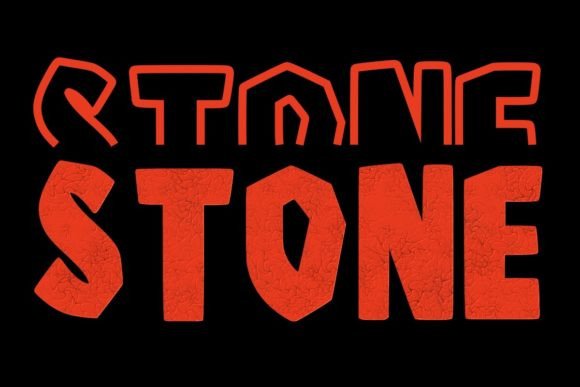
Stone isn't a font you use for long paragraphs of body text. It's a display typeface, meaning its strength lies in headlines, logos, and impactful callouts. Its design likely draws from mid-20th-century typography, where letters were often crafted with strong, geometric shapes and a sense of solidity. This gives it an inherent "vintage cool" vibe—think classic Americana, retro signage, or old-school packaging that feels authentic and trustworthy.
What makes it visually appealing is this balance. It's bold enough to command attention on a crowded shelf or a fast-scrolling social media feed, but its vintage roots give it warmth and personality that a sterile, modern geometric sans-serif might lack. It feels human-made, like it was carved or stamped, which can inject instant personality into a digital design.
Where Stone Truly Shines: Practical Applications
The beauty of a versatile display font is its range. Stone's character makes it a fantastic choice for a wide array of projects where you want to make a statement.
- Brand Identity & Logo Design: This is prime territory. A logo sets the tone for everything. Stone can give a brand an instant identity that feels established, rugged, or artisanal. It's perfect for businesses in the food and beverage space, outdoor gear, vintage clothing, or any service that wants to project strength and authenticity.
- Packaging & Labels: On a product label, typography has to work hard. It needs to be readable from a distance and convey the product's essence at a glance. Stone's bold presence ensures the product name stands out, whether it's on a bottle, a box, or a craft paper bag.
- Posters, Merchandise & Invitations: For event posters, band tees, or wedding invitations with a rustic or retro theme, Stone provides that perfect headline punch. It creates a focal point that draws the eye and sets the mood immediately.
- Digital & Editorial Design: Don't think it's limited to print. Used strategically, it can make website headers, blog post titles, and social media graphics pop. A single, well-placed headline in Stone can break up visual monotony and increase engagement on platforms like Instagram or Pinterest.
Using Stone Effectively: A Designer's Practical Notes
Having a great font is one thing; using it well is another. Here’s how to get the most out of a bold display typeface like this in your projects.
Pairing is Everything. A font this bold rarely works alone. The key is to pair it with something simpler for supporting text. A clean, modern sans serif font for body copy creates a beautiful contrast, letting Stone's personality shine in the headlines without overwhelming the viewer. You could also pair it with a subtle script font for a touch of elegance in specific contexts, like on an invitation.
Mind the Readability. Because it's a display font, be cautious with size and context. Use it for short, impactful text—company names, taglines, single-word callouts. Avoid setting entire paragraphs in it, as the bold, detailed letterforms can become difficult to read in long blocks. Always test it at the size it will be viewed, whether on a business card or a billboard.
Review the Font Family. Check what styles are included. Does the premium font license offer just the bold version, or are there variations like a slightly condensed or distressed style? These extra styles can provide valuable flexibility within a single project, helping you maintain a cohesive look while adding subtle variety.
Understand the License. If you're using Stone for commercial work—a client's logo, products for sale, or paid marketing materials—you need to ensure you have the correct commercial font license. This is a non-negotiable part of professional practice. A reputable font will come with clear licensing terms, so you can use it confidently in your brand identity work without legal headaches down the line.
A Tool for Stronger Visual Communication
Ultimately, choosing a font like Stone is about making a deliberate choice for your project's voice. It's not just about looking good; it's about communicating a specific feeling and building recognition. When your typography aligns with your brand's story—whether it's heritage, craftsmanship, or bold innovation—it creates a stronger, more consistent experience for your audience. That consistency is what builds trust and makes a brand memorable.
If your next project calls for a dose of vintage cool with a bold, confident edge, exploring a typeface like Stone could be the creative spark you need. It’s a design asset that does more than just display words; it helps tell a story.