The Art: A Geometric Gothic Font for Modern Design
There's a specific kind of visual power that comes from sharp angles, strong vertical lines, and a sense of structured elegance. It’s a style that feels both historic and surprisingly contemporary, bridging the gap between medieval architecture and modern minimalist design. If you're searching for a typeface that delivers this distinct personality, one that commands attention without shouting, then you're in the right place. We're diving deep into The Art, a geometric, gothic styled display font that offers a world of creative potential for your projects.
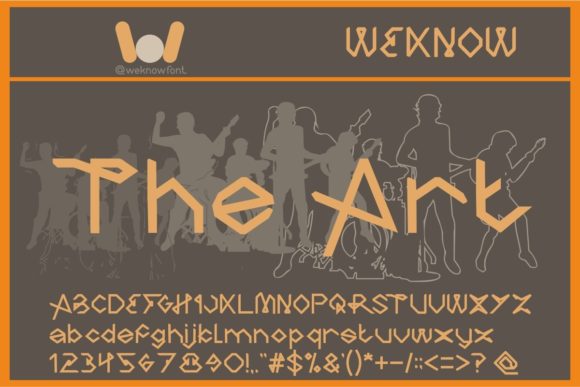
At its core, The Art is a premium font that blends the stark, architectural beauty of gothic letterforms with the clean precision of geometric design. Forget the overly ornate or difficult-to-read blackletter scripts of centuries past. This typeface takes the essence of that style—the strong verticality, the subtle triangular serifs, the sense of weight and presence—and refines it into something incredibly usable for today's digital and print landscapes. It’s a display font, meaning it’s crafted for headlines, logos, and any text where you want to make a visual statement. The letters often feature consistent stroke widths, sharp terminals, and a balanced, almost monolithic, structure that feels both authoritative and approachable.
Where Sharp Geometry Meets Timeless Gothic Character
What makes this typeface so visually compelling is its duality. It carries the historical weight and seriousness of gothic design, which can evoke feelings of tradition, craftsmanship, and authority. Simultaneously, its geometric foundation gives it a modern, almost industrial, edge. This makes it a fantastic creative font for projects that need to balance heritage with innovation. Imagine a craft brewery using it on a label; the gothic roots speak to tradition and process, while the geometric clean lines feel fresh and current. Or picture a tech startup using it for a product launch—the sharp angles convey precision and forward-thinking design, while the historical reference adds a layer of depth and substance.
The visual characteristics of The Art make it a standout choice for various applications. Its strong verticals create a powerful rhythm on a page, guiding the eye downward with authority. The subtle details within the letterforms, like the unique treatment of the 'A' or the 'R', provide character without sacrificing legibility at display sizes. This isn't a font for body text in a novel, but for a poster headline, a book cover title, or a website hero section, it’s unmatched. It brings an instant sense of sophistication and intentionality to any design asset.
Practical Applications for Branding and Beyond
Let’s talk real-world use. How can you actually leverage The Art in your projects? The applications are surprisingly diverse, spanning both digital and physical realms.
For Brand Identity and Logo Design: This is where The Art truly shines. A logo sets the entire tone for a brand, and a typeface like this injects immediate personality. It’s perfect for brands that want to appear confident, established, and design-savvy. Think of a high-end barbershop, a boutique distillery, a luxury leather goods maker, or an architectural firm. The font becomes the cornerstone of the visual identity, ensuring consistency across business cards, letterheads, and digital assets. Its strong presence helps with brand recognition, making your mark memorable.
In Packaging and Product Design: On a shelf or in an online store, packaging has seconds to tell a story. The Art can make a product look premium and considered. Use it for the product name on a coffee bag, a candle label, or a supplement bottle. Its structured look conveys quality and care in the product itself. Paired with the right imagery and color palette, it transforms simple packaging into a desirable object.
Across Digital Platforms: Your website and social media graphics are prime real estate for impactful typography. Use The Art for your website's main headlines, your blog post titles, or your YouTube thumbnails. On social media, it’s perfect for creating cohesive, professional-looking quote graphics, announcement posts, or promotional banners. Its high contrast and distinctive style stop the scroll and make your content stand out in a crowded feed. This directly contributes to audience engagement, as people are more likely to pause and read something that looks visually striking and professionally presented.
For Print and Editorial Work: Don’t limit it to the screen. This font is a powerhouse for print materials. Imagine event posters for a music festival or a gallery opening. Think of magazine covers, chapter headings in a book, or the title page of a report. In editorial design, a bold display font like this creates a strong hierarchy, drawing readers into the content and giving the publication a distinct, curated feel. It also works beautifully for special occasion invitations—think wedding suites, milestone birthday parties, or corporate galas—where you want an elegant yet strong aesthetic.
Making It Work: Pairing and Practical Tips
Choosing the right font style is only half the battle. Knowing how to use it effectively is what separates good design from great design. Here’s some practical advice for working with a display font like The Art.
Font Pairing is Key: A strong display font needs a supporting cast. For body text or secondary information, pair The Art with a highly readable sans serif or a simple serif font. A clean sans serif like Helvetica, Open Sans, or Lato provides a modern, neutral counterpoint that lets the display font command attention without competition. A classic serif like Garamond or Georgia can create a more traditional, elegant pairing. The goal is contrast and hierarchy—the display font for impact, the secondary font for clarity and readability in longer paragraphs.
Test for Readability at Scale: Always test your typography in context. A font that looks stunning in a design program might not render as clearly on a low-resolution mobile screen or when printed small. Check the kerning (spacing between letters) and ensure the letterforms are distinct, especially for tricky letter pairs like 'rn' or 'cl'. The geometric nature of The Art generally helps here, but it’s a professional habit worth building.
Understand Your License: If you're using this for a client project, a product you sell, or any commercial venture, you must ensure you have the correct commercial font license. A free demo version is often for personal use only. Investing in the proper license protects you legally and supports the type designers who create these valuable design assets. It’s a non-negotiable part of professional practice.
Explore the Full Family: Many premium fonts come with multiple weights or styles—like bold, italic, or condensed versions. Before you start, review what’s included with The Art. Having a bold weight can be perfect for emphasizing a sub-headline, while an italic might add a touch of elegance to a quote. Knowing your full toolkit gives you more creative flexibility and helps maintain visual consistency throughout a project.
Ultimately, the right typeface does more than just display words; it communicates a feeling, a value, and an aesthetic. The Art is a tool for designers, entrepreneurs, and creators who want to add a layer of geometric gothic sophistication to their work. Its strength lies in its ability to be both a nod to the past and a statement for the present. Experiment with it, pair it thoughtfully, and see how its endless possibilities can elevate your next design project from ordinary to unforgettable.