Meet Love Mama: The Friendly Font That Feels Like a Hug
There’s a certain magic in designs that feel instantly approachable. You know the ones—they make you smile before you’ve even read the words. Often, that warmth comes down to a single choice: the typography. While sleek, corporate fonts have their place, many projects thrive on personality, connection, and a touch of handcrafted charm. This is where a character-rich display font can transform a simple layout into something memorable and engaging.
The Visual Personality: More Than Just Curves and Swashes
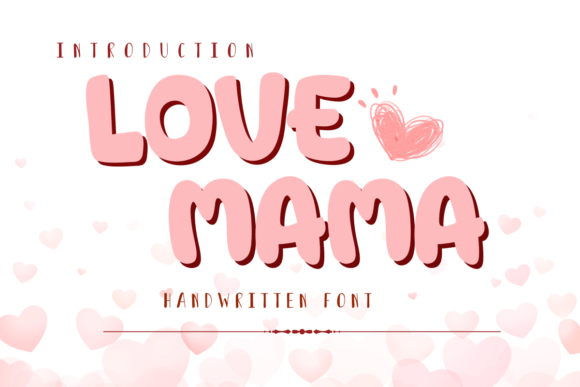
At its core, this typeface is a cute and friendly display font. But what does that mean in practice? It’s defined by soft, rounded edges that feel welcoming rather than sharp. The letterforms have a gentle bounce and a slightly uneven baseline, mimicking the organic quality of human handwriting without sacrificing clarity. This blend of playful irregularity and careful design makes it versatile. It avoids the extremes of being too childish or too casual, striking a balance that feels genuine and contemporary.
Think of it as the typographic equivalent of a warm greeting. It communicates approachability, creativity, and a personal touch. For a small business owner, this can be the difference between a brand that feels corporate and one that feels like a trusted friend. For a content creator, it adds a layer of authenticity that audiences connect with on social media or in a blog header.
Where This Font Truly Shines: Real-World Applications
Choosing a creative font is one thing; knowing where to deploy it is another. Its strength lies in applications where personality and visual appeal are prioritized over dense body text. Consider these practical uses:
- Branding & Logo Design: A logo sets the first impression. This typeface can serve as a primary logotype for brands in boutique retail, artisanal food, children's products, wellness, or creative services. It builds instant brand recognition through its distinctive, friendly character.
- Packaging Design: On shelf or screen, packaging needs to grab attention. Using this font for product names, taglines, or callouts on labels, boxes, and bags adds a handcrafted, premium feel that suggests care and quality.
- Social Media Graphics & Digital Content: Instagram stories, Pinterest pins, and YouTube thumbnails demand quick visual impact. Its readability at larger sizes makes it perfect for headlines, quotes, and promotional text that needs to stop the scroll.
- Invitations & Event Materials: For wedding stationery, party invites, or workshop flyers, it sets a joyful and welcoming tone from the outset.
- Merchandise & Apparel: Think t-shirts, tote bags, or mugs. A friendly, bold display font translates well to physical products where a single phrase needs to convey an entire vibe.
- Website Headers & Blog Titles: Used strategically in web design, it can create engaging entry points. Pair it thoughtfully with a clean sans serif font for body copy to maintain readability while injecting personality into the header.
The key is intentionality. It’s not for writing a novel or a technical manual. It’s for the moments where you want your design to speak directly and emotionally to your viewer.
Integrating It Into Your Design Workflow
Adding a new typeface to your toolkit is exciting, but a little strategy goes a long way. Here’s how to make the most of it:
Test Your Pairings: No font is an island. This display font pairs beautifully with neutral, grounded typefaces. Try combining it with a simple serif font for an elegant, classic contrast, or with a geometric sans serif font for a clean, modern look. The goal is to let its personality shine without overwhelming the entire design. A good pairing ensures hierarchy and visual consistency across a project.
Consider the Context: Always ask: what is the goal? If you're designing a marketing asset for a limited-time sale, its playful energy can drive excitement. For the main body text of a professional presentation, you’d likely use it only for slide titles. Match typography to project goals to ensure the style reinforces the message.
Review the Included Styles: Many premium fonts come with stylistic alternates, ligatures, or multiple weights. Explore the full character map. Maybe an alternate ‘g’ or ‘a’ suits your layout better. These details are what elevate a design from good to polished.
Licensing for Commercial Use: This is a critical, practical step. If you’re using the font for client work, merchandise, or any project where you’re generating revenue, ensure you have the correct commercial font license. Reputable foundries and marketplaces make this clear. Respecting licensing protects you and supports the designers who create these design assets.
A Final Thought on Visual Communication
Typography is a silent ambassador for your brand or project. The right typeface doesn’t just look good—it feels right. It helps build audience engagement by creating an emotional resonance before a single word is consciously read. By choosing a font with a clear, friendly personality, you’re making a deliberate choice to connect. You’re saying, “We’re approachable. We’re creative. We’re here for you.” So, as you plan your next project—whether it’s a new brand identity, a series of social media graphics, or editorial design for a blog—consider the power of a warm, welcoming voice. Sometimes, the most impactful design choice is the one that feels like a hug.