Why Mybaby is the Quirky Display Font Your Designs Need
Finding a font that feels both playful and professional can be a real design challenge. You want personality without sacrificing clarity, charm without looking childish. That's where a typeface like Mybaby enters the conversation. It’s a lettered display font with a distinct, quirky character designed to inject energy into your creative work. Whether you're building a brand from scratch or refreshing an existing one, the right typographic choice acts as a visual voice. This particular typeface offers a blend of casual flair and structured legibility, making it a surprisingly versatile asset for a wide range of projects.
Understanding the Visual Appeal of This Display Font
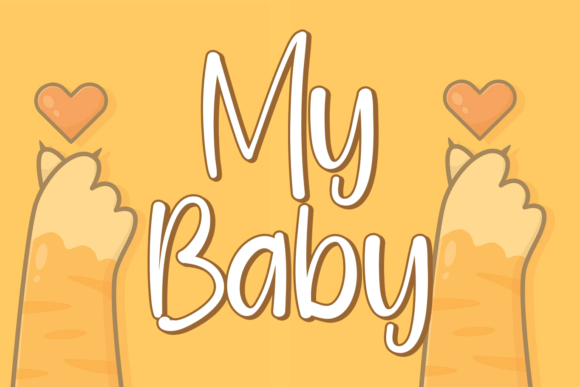
What makes a font like Mybaby stand out in a sea of typefaces? It begins with its lettered style. Each character carries a hand-crafted, slightly irregular quality that feels personal and approachable. This isn't a sterile, geometric sans serif; it's a display font with warmth. The quirks are intentional—the subtle variations in stroke width, the gentle curves, the balanced spacing. This gives it a modern, artisanal feel that resonates in today's design landscape, where authenticity and human touch are highly valued.
Visually, it strikes a balance. It’s bold enough to command attention as a headline but retains enough detail to be interesting at larger sizes. This makes it a strong candidate for projects where typography needs to do more than just convey information—it needs to set a mood. Compared to a traditional serif font, it feels more casual. Against a clean sans serif font, it offers more character. It doesn't try to be a script font or a full handwritten font, but it borrows some of that organic energy, channeling it into a more stable, readable form.
Practical Applications: Where This Typeface Shines
The true test of any premium font is its utility. How can you actually use it? The adaptability of Mybaby is one of its strongest points. Here’s a look at where it can make a tangible difference:
- Branding & Logo Design: For businesses aiming for a friendly, creative, or youthful vibe—think boutique shops, cafes, wellness brands, or children's products—this font can become the cornerstone of a brand identity. It’s excellent for logos, wordmarks, and brand names, creating instant recognition and personality.
- Packaging Design: On product labels, boxes, or tags, a quirky display font can tell a story before the customer even reads the description. It suggests care, craftsmanship, and a specific aesthetic, which is crucial for shelf appeal.
- Social Media Graphics: In the fast-scroll world of Instagram or Pinterest, bold, readable typography is key. Using this font for quotes, announcements, or sale graphics can make your posts more eye-catching and shareable, improving audience engagement.
- Websites & Blogs: While not ideal for long body text, it’s perfect for hero sections, headers, pull quotes, and call-to-action buttons. It adds visual interest and helps break up the monotony of standard web typography, contributing to a more dynamic web design.
- Print Materials & Merchandise: From posters and flyers to tote bags and t-shirts, this typeface translates well to physical items. Its clear, bold shapes reproduce effectively on various surfaces and printing methods.
- Digital Products & Marketing Assets: E-book covers, course graphics, email newsletter headers, and digital ads can all benefit from the distinctive look. It helps create a cohesive and professional presentation for your digital products.
Essentially, any project where you want to communicate creativity, approachability, and a modern sensibility is a potential match. It’s a creative font that works hard across different media.
Making It Work: Pairing and Readability Tips
Introducing a strong display font into your project requires some thought to ensure it enhances, rather than hinders, your design. Here’s practical advice for getting the most out of it:
Font Pairing is Crucial. A quirky display font like this is a star player, but it needs a supporting cast. For body text, pair it with a simple, highly readable sans serif font or a clean serif font. The contrast allows the display font to shine in headlines without overwhelming the reader. Test combinations on screen and in print. Look for pairings where the x-heights are compatible and the overall mood feels complementary.
Prioritize Readability. Always consider context. A font with character can sometimes sacrifice legibility at very small sizes or in long sentences. Use Mybaby for short bursts of text—titles, headers, subheads, and logos. For paragraphs, stick to your chosen body typeface. Test your designs at the intended viewing size. If it’s for a poster, print a draft. If it’s for a website, check it on different devices.
Review All Included Styles. A good commercial font often comes with multiple weights or stylistic alternates. Explore what’s included. Does it have a bold version? An italic? Some quirky fonts offer alternate characters that can add even more custom flair to your logo design or headline. Understanding the full toolkit gives you more creative control.
Match Typography to Project Goals. Be intentional. Ask yourself: What is the core message of this project? Who is the audience? A typeface for a children’s educational app will have different requirements than one for a trendy coffee shop. Let the font’s personality align with the brand’s voice. This alignment is a key part of effective visual communication.
Understand Commercial Licensing. This is non-negotiable for any professional work. Before using any premium font for a client project, merchandise, or a business logo, verify the license. Does it cover the specific use you have in mind (e.g., app embedding, print-on-demand)? Reputable foundries provide clear licensing terms. This due diligence protects you and your client legally and supports the designers who create these valuable design assets.
Choosing a font is a strategic decision. It’s not just about what looks cool in isolation, but what serves the project’s objectives. A modern typography choice like Mybaby offers a fantastic blend of style and function. It provides that sought-after “stand out” quality while remaining adaptable enough for real-world applications. By pairing it wisely, testing for clarity, and using it in the right contexts, you can leverage its unique character to create more engaging, memorable, and cohesive designs. It’s a tool that, when used thoughtfully, can genuinely elevate your creative output and help your projects make a stronger visual impact.