Cute Inky: A Handwritten Font for Whimsical Projects
There's a certain magic that happens when a design feels personal. It's the difference between a generic greeting card and one that makes you smile before you even read the words. That magic often lives in the typography. A font with character can instantly communicate warmth, creativity, and authenticity, transforming a standard layout into something that feels handcrafted just for the viewer. This is the kind of energy a distinctive handwritten display font brings to the table, offering a direct line to human connection in a digital world.
A Font with Personality and Purpose
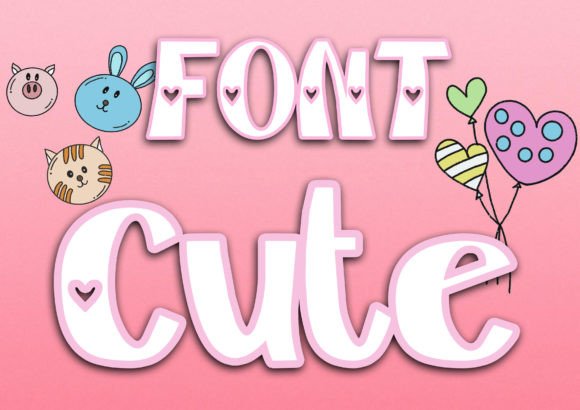
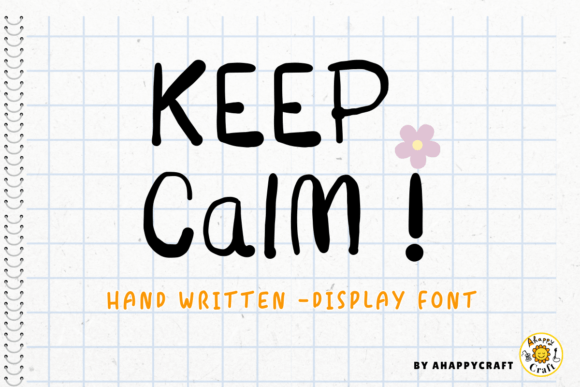
So, what exactly defines a typeface like Cute Inky? Visually, it's a playful, quirky handwritten display font. Think of the natural, slightly irregular lines of a felt-tip pen or a brush marker. The letters have a friendly, approachable bounce to them, avoiding the rigidity of traditional typefaces. Each character feels drawn by hand, with subtle variations in thickness and a charming, organic flow. This isn't a font trying to be perfect; it's a font trying to be genuine. Its style leans into a modern, casual aesthetic that resonates with audiences looking for authenticity over corporate polish. It's a premium font in the sense of its design quality, but its true value lies in its ability to inject a dose of personality into any project.
The appeal lies in its versatility as a creative font. While it's unmistakably a display font—meaning it's designed for headlines and short bursts of text rather than long paragraphs—its applications are vast. It works beautifully as a contrast to clean sans serif fonts or even as a companion to certain serif fonts, creating a dynamic visual hierarchy. For anyone working on brand identity, this kind of typeface is a secret weapon for establishing a specific mood.
Bringing Brands and Products to Life
For small business owners and entrepreneurs, choosing the right font is a foundational branding decision. A handwritten font like this is perfect for businesses that want to project a friendly, artisanal, or approachable image. Imagine a local bakery's logo, a boutique's clothing tags, or the branding for a handmade soap company. The font immediately tells a story of care and craftsmanship. It’s an excellent choice for logo design, especially for brands in the lifestyle, wellness, children's products, or creative services space.
When it comes to packaging design, this font shines. It can make a product feel special and considered. Use it for product names, taglines, or descriptive text on boxes, labels, and bags. It pairs wonderfully with minimalist design elements, allowing the typography to be the star. For digital products, such as printable planners, worksheets, or social media templates, the font adds a layer of charm that generic system fonts simply can't match. It turns a functional item into a desirable one.
Digital Presence and Marketing Materials
In the realm of web design and social media graphics, standing out is crucial. A unique display font helps create scroll-stopping visuals. Use it for website headers, call-to-action buttons, or featured quotes on a blog. It adds a human touch to digital interfaces, making a brand feel more relatable. On social media, where content is consumed quickly, a bold and playful font in your graphics can help with brand recognition and audience engagement. People remember how a brand makes them feel, and typography is a huge part of that emotional equation.
Think about your marketing assets: email newsletter headers, promotional posters, sale announcements, and digital ads. Incorporating a fun, handwritten font can break the monotony of standard marketing materials. It’s particularly effective for targeting a younger demographic or for campaigns that are meant to feel energetic and celebratory. For editorial design, like magazine layouts or blog post graphics, it can be used for pull quotes, section headers, or bylines to add visual interest and guide the reader's eye through the content.
Making It Work: Practical Tips for Use
While a font like Cute Inky is incredibly fun, using it effectively requires some thought. The most important consideration is readability. Because it's a display font, it's not meant for body text. Using it for long paragraphs would be tiring to read. Its strength is in headlines, subheadings, and short, impactful phrases. Always pair it with a highly legible sans serif or serif font for your main text to ensure your message is clear.
Font pairing is an art. A good rule of thumb is to contrast styles. Pair your quirky handwritten font with a simple, geometric sans serif for a modern and balanced look. Alternatively, combine it with a classic serif for a more eclectic, editorial feel. The key is to let the handwritten font be the voice of personality while the secondary font provides stability and readability. Always test your pairings in context. Mock up a social media post or a website header to see how the fonts interact with your images, colors, and overall layout.
Before committing to a font for a major project, review its full character set. Does it include the punctuation and symbols you need? Are there multiple weights or styles available, like bold or italic variations? Understanding the full scope of the font family helps you plan your designs more effectively. Finally, always check the licensing. For any commercial use—whether it's for a client's logo, merchandise you sell, or marketing materials for your business—you need to ensure you have the correct commercial license. This protects you legally and supports the font designers who create these valuable assets.
Ultimately, the right typography is a bridge between your message and your audience. A font with a distinct personality, used thoughtfully, can elevate a project from ordinary to memorable. It’s about finding the tool that best expresses the unique voice of your brand or project, creating a visual language that feels both authentic and engaging. When you find a font that clicks, it doesn't just carry words—it carries feeling.